
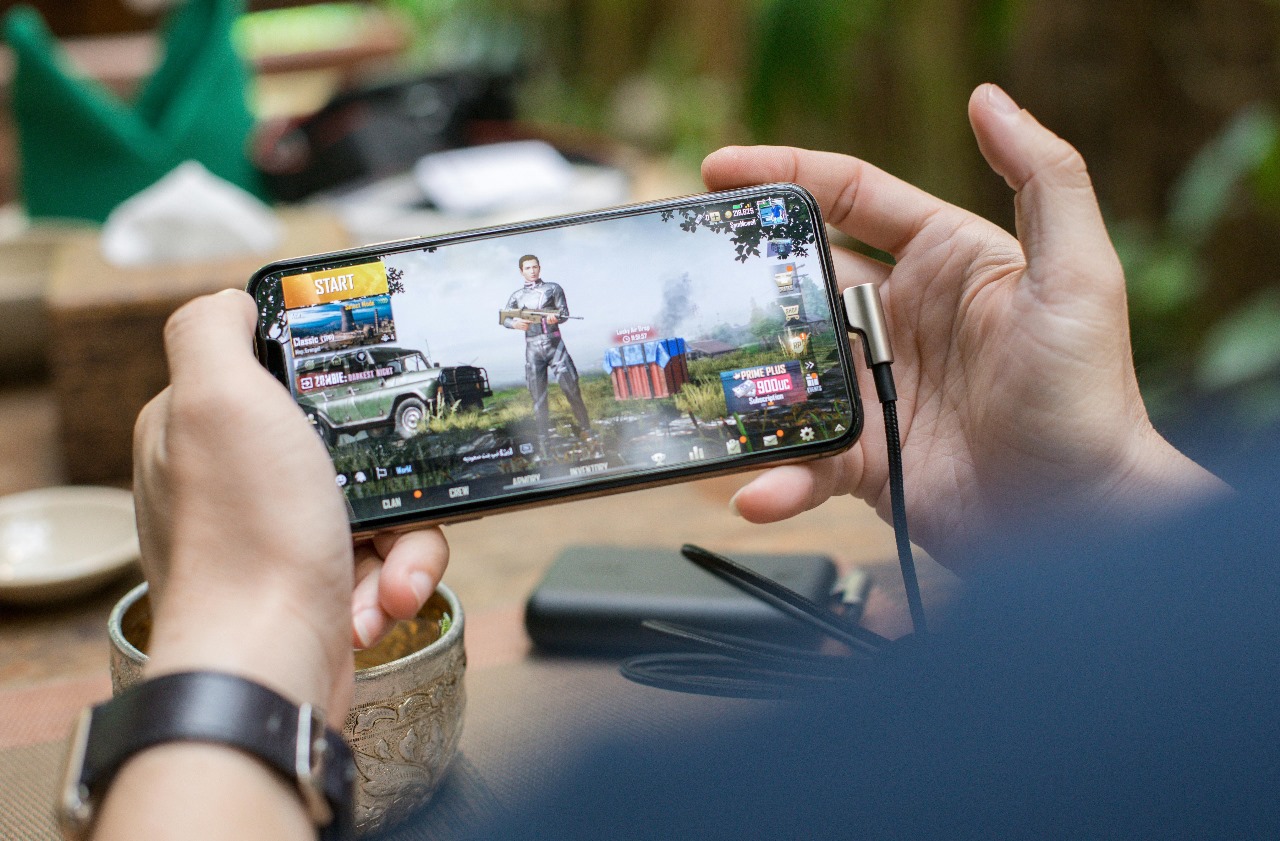
In the past decade, the gaming industry has undergone a seismic shift, and at the heart of this transformation is the explosive growth of mobile gaming. What started as a simple pastime with games like Snake on early Nokia phones has evolved into a multi-billion-dollar industry that rivals traditional console and PC gaming. Today, mobile games are not just a form of entertainment but a cultural phenomenon that has reshaped how we play, connect, and even socialize.
Why Mobile Gaming is Dominating the Industry
Accessibility and Convenience
Unlike traditional gaming platforms, mobile games are accessible to almost anyone with a smartphone. With over 3.8 billion smartphone users worldwide, the potential audience for mobile games is enormous. You don’t need a high-end PC or a pricey console to enjoy gaming—just your phone and an internet connection. This accessibility has made gaming more inclusive, reaching demographics that were previously untapped, such as casual gamers, older adults, and even non-gamers.
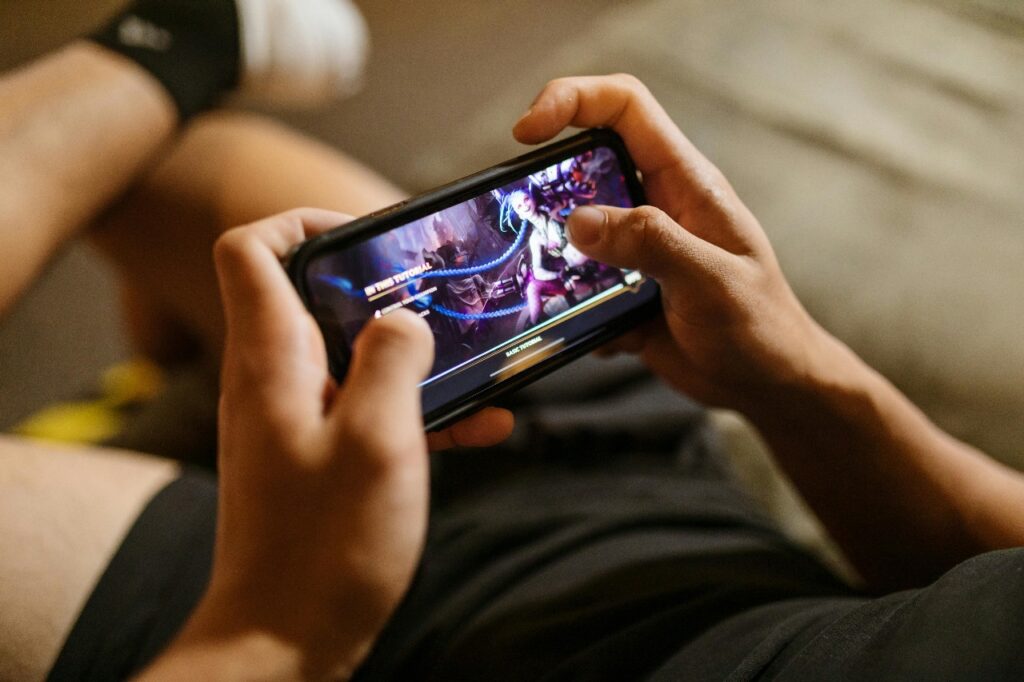
Diverse Game Genres
Mobile gaming offers something for everyone. From hyper-casual games like Candy Crush and Subway Surfers to complex multiplayer experiences like PUBG Mobile and Genshin Impact, the variety is staggering. Whether you’re looking for a quick five-minute distraction or an immersive RPG adventure, mobile games cater to all preferences and playstyles.
Free-to-Play Model
One of the biggest drivers of mobile gaming’s success is the free-to-play (F2P) model. Most mobile games are free to download, with revenue generated through in-app purchases, ads, and premium features. This low barrier to entry has attracted millions of players who might not have otherwise engaged with gaming. For developers, this model has proven to be highly profitable, with games like Clash of Clans and Pokémon GO generating billions in revenue.
Social Connectivity
Mobile games have become a social platform in their own right. Multiplayer games like Among Us and Call of Duty: Mobile allow players to connect with friends and strangers alike, fostering a sense of community. Additionally, many games integrate social media features, enabling players to share achievements, compete on leaderboards, and even collaborate in real-time.
Technological Advancements
The rapid advancement of smartphone technology has played a crucial role in the growth of mobile gaming. Modern smartphones boast powerful processors, high-resolution displays, and advanced graphics capabilities, allowing developers to create visually stunning and highly immersive games. Cloud gaming services like Xbox Cloud Gaming and NVIDIA GeForce Now are further blurring the lines between mobile and console gaming, enabling players to stream AAA titles directly to their phones.
The Impact of Mobile Gaming on the Industry
The rise of mobile gaming has had a profound impact on the broader gaming industry. Traditional game developers and publishers are increasingly investing in mobile platforms, recognizing the potential for growth and revenue. Franchises like Fortnite, Minecraft, and League of Legends have successfully expanded into the mobile space, further legitimizing it as a major gaming platform.
Moreover, mobile gaming has given rise to new business models and marketing strategies. In-game advertising, influencer partnerships, and live events have become standard practices, creating new opportunities for brands to engage with audiences.
Challenges and Future Trends
Despite its success, mobile gaming faces its share of challenges. Issues like in-app purchase controversies, data privacy concerns, and the oversaturation of the market have sparked debates about ethical practices and regulation. Additionally, the reliance on microtransactions has led to criticism of exploitative monetization strategies.
Looking ahead, the future of mobile gaming is bright. Emerging technologies like augmented reality (AR) and virtual reality (VR) are set to revolutionize the industry, offering even more immersive experiences. The integration of blockchain technology and NFTs (non-fungible tokens) could also open up new possibilities for ownership and monetization within games.
Conclusion
Mobile gaming is no longer just a niche segment of the gaming industry—it’s a dominant force that continues to shape the future of entertainment. With its unparalleled accessibility, diverse offerings, and innovative business models, mobile gaming has democratized gaming, making it a universal pastime. As technology continues to evolve, the possibilities for mobile gaming are limitless, promising even more exciting experiences for players around the world.
Whether you’re a casual gamer or a hardcore enthusiast, there’s no denying that mobile gaming has changed the way we play. So, the next time you pick up your phone to dive into your favorite game, remember—you’re part of a global revolution that’s redefining entertainment.