
Mobile phones have transformed the way we communicate, work, and live. What started as bulky, brick-like devices in the 1980s has evolved into sleek, powerful smartphones that fit in our pockets. Today, mobile technology continues to advance, shaping the digital world.
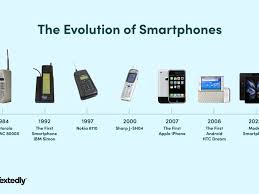
The Journey of Mobile Phones
📱 1G (1980s) – The first mobile phones were large, heavy, and only supported voice calls.
📱 2G (1990s) – Introduced text messaging (SMS) and basic internet services.
📱 3G (2000s) – Brought faster internet, email, and multimedia messaging (MMS).
📱 4G (2010s) – Enabled high-speed browsing, video streaming, and app-driven experiences.
📱 5G (2020s & Beyond) – Offers ultra-fast speeds, low latency, and enhances IoT (Internet of Things) connectivity.
Key Features of Modern Mobile Phones
✅ Smartphone Capabilities – Touchscreen interfaces, AI-driven apps, and cloud integration.
✅ High-Quality Cameras – Advanced lenses for photography and video recording.
✅ Seamless Connectivity – 5G, Wi-Fi, and Bluetooth ensure faster communication.
✅ AI and Virtual Assistants – Voice commands with Siri, Google Assistant, and Alexa.
✅ Mobile Payments – Secure transactions with Apple Pay, Google Pay, and Samsung Pay.
The Future of Mobile Phones
🔹 Foldable & Flexible Displays – Phones that bend and expand for multi-tasking.
🔹 Augmented Reality (AR) & Virtual Reality (VR) – Enhanced digital experiences.
🔹 Artificial Intelligence (AI) – Smarter devices that learn user habits.
🔹 Eco-Friendly Phones – Sustainable materials and energy-efficient designs.
Mobile technology continues to push boundaries, making our lives more connected and convenient. From simple calls to smart AI-powered experiences, mobile phones have become an essential part of modern life—and their future looks even more exciting!